.jpg)
Home

Resources
Resources
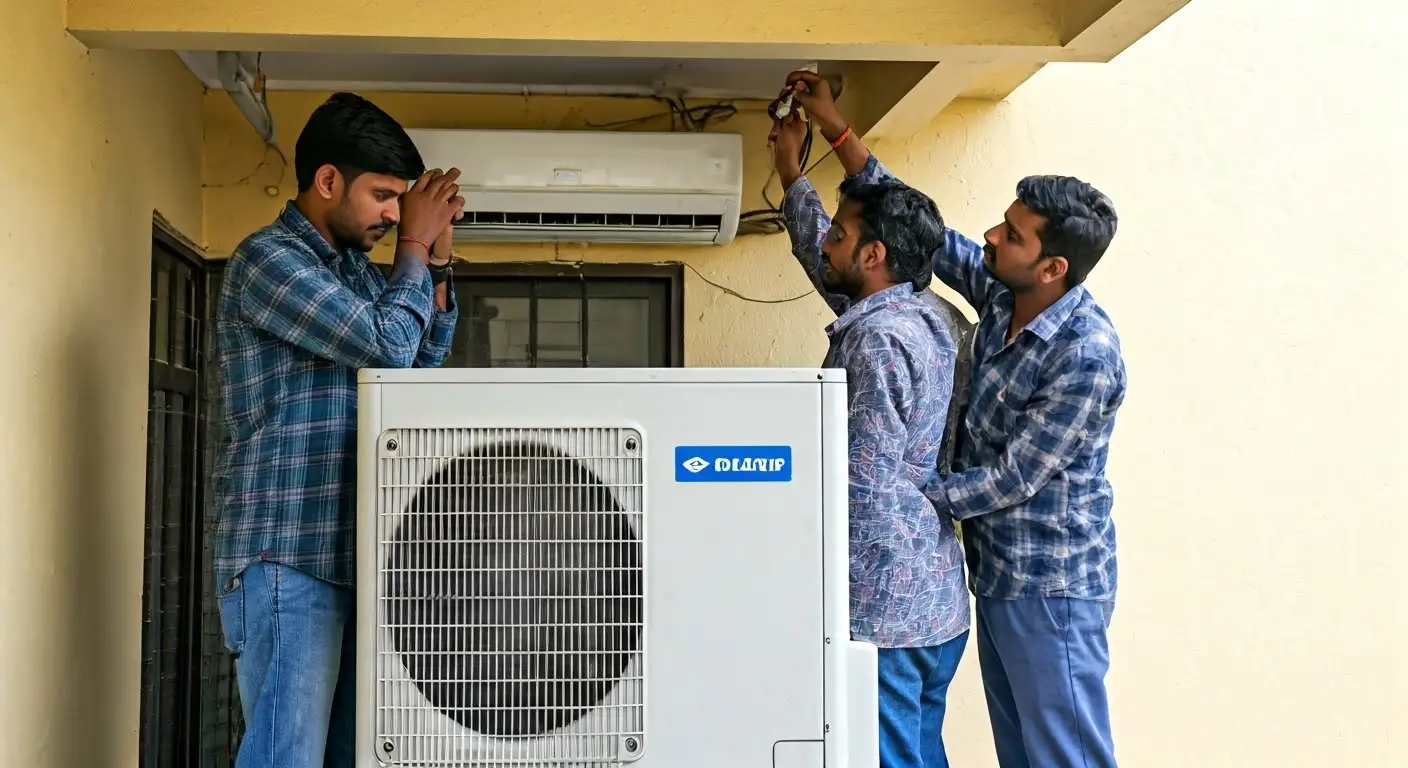
Effective HVAC Ducting Design Tips
Learn key principles for designing efficient HVAC duct systems in industrial environments.
Proper HVAC ducting design is essential for optimal air distribution and system efficiency. Focus on selecting appropriate duct sizes, materials, and configurations to reduce pressure loss and energy consumption. Use well-planned layouts to minimize bends and transitions, ensuring smooth airflow. Incorporate sealing methods to prevent leaks and maintain indoor air quality. Balancing air volume and velocity is crucial for comfort and system performance. Regular maintenance and commissioning validate design effectiveness and address any issues early.
Benefits of Evaporative Industrial Air Coolers
Explore how evaporative coolers provide cost-effective cooling solutions for large industrial spaces.
Evaporative industrial air coolers offer an energy-efficient alternative to traditional air conditioning by using water evaporation to cool air. They consume less electricity, making them economical for large open areas like warehouses and manufacturing plants. These coolers improve ventilation and maintain humidity levels suitable for equipment and personnel comfort. Installation is straightforward and maintenance involves regular cleaning and water management. Their eco-friendly operation reduces carbon footprint while ensuring effective temperature control in demanding industrial environments.
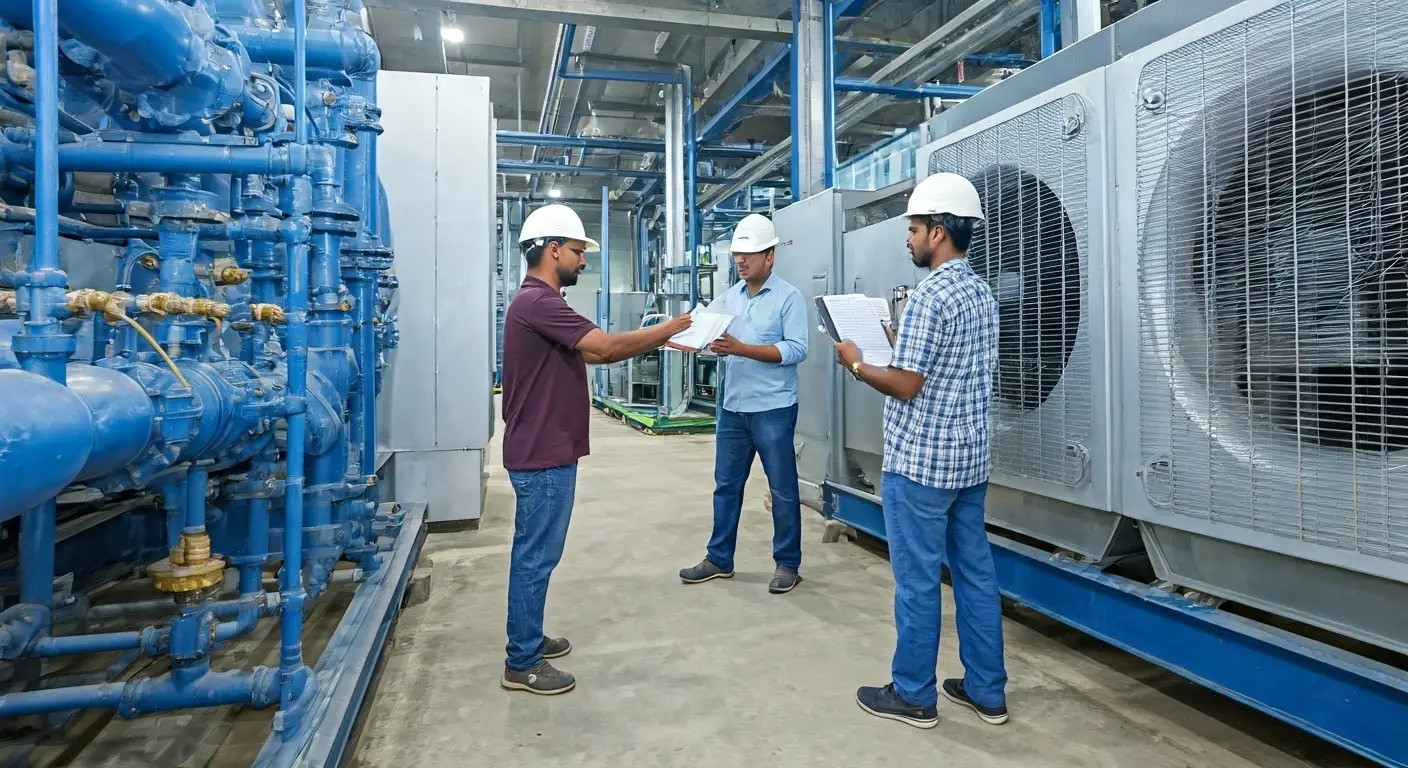
Choosing the Right Air Handling Unit
Understand factors to consider when selecting air handling units for industrial applications.
Air handling units (AHUs) condition and circulate air in heating, ventilation, and air conditioning systems. Selecting the appropriate AHU involves assessing airflow capacity, filtration needs, humidity control, and integration with existing HVAC components. Consider the space constraints and energy efficiency ratings. Advanced AHUs may include heat recovery and variable speed drives to optimize performance. Proper sizing and customization ensure compliance with indoor air quality standards and operational requirements of industrial facilities, contributing to a healthy work environment.
Industrial Water Chillers Overview
Get insights on types and applications of industrial water chillers for process cooling.
Industrial water chillers are critical for removing heat from manufacturing processes and HVAC systems. They circulate chilled water to absorb and dissipate heat, ensuring temperature stability. Common types include air-cooled and water-cooled chillers, chosen based on facility size and environmental conditions. Efficient chillers reduce energy costs and downtime. Proper maintenance, including refrigerant checks and cleaning heat exchangers, extends lifespan. Selecting chillers with appropriate cooling capacity and control systems is vital for operational efficiency in various industries.
Frequently Asked Questions
Request HVAC Consultation
Fill out the form to get expert advice and customized HVAC solutions for your business or facility.
Office Timing Mon – Sat (8.00 – 18.00)
© 2025 Acs Aircon System. All rights reserved.